
Feeding Your New Labrador
A quick guide to how your Labrador has been fed and where to find the high quality food they know and love.
Feeding your dog is one of the most important things you’ll do every single day. It impacts their health, weight, digestion, behavior, and even training success. This guide is designed to walk you through how and why we feed the way we do, so you feel confident and consistent from day one.

Feeding Your Dog
We strongly encourage families to designate one primary feeder in the household. When one person owns this responsibility, it helps prevent accidental overfeeding. Labradors, in particular, are famously food‑motivated and very persuasive. Many are more than happy to convince a second family member that they were definitely forgotten at breakfast.
When the primary feeder is away or busy, it’s their responsibility to communicate that the dog still needs to be fed. This small habit keeps everyone on the same page and helps your dog maintain a healthy weight.
Portion accuracy matters just as much as consistency. Always use a true measuring cup, not a mug, scoop, or eyeballed estimate. The cup should be leveled, not heaping. Overfilled cups are one of the most common reasons we see dogs slowly gain weight over time. While it may feel like you’re feeding “only three cups a day,” a rounded or overflowing cup can quietly add much more food than intended.
Feeding the correct amount, measured accurately, sets your dog up for long‑term health and longevity.
Puppies are typically fed two to three meals per day, while adult dogs usually do best on two meals per day. Feeding at consistent times each day helps regulate digestion and behavior.
If you ever need to change foods, do so slowly over 7–10 days. A gradual transition protects your dog’s digestive system and helps avoid unnecessary stomach upset.
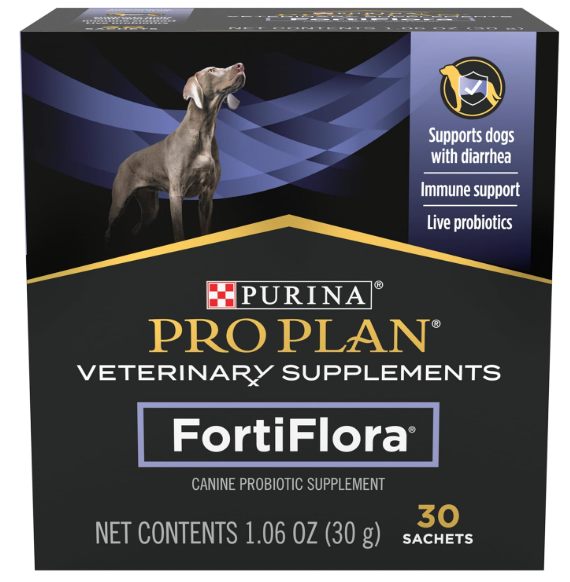
You have been supplied a few days’ worth of probiotics via Forti Flora packets. Add this as a topper to keep stress poops more manageable. This is a great add on that can be done daily if you feel your pup may benefit.
We recommend feeding your dog from a stainless steel bowl - they are easier to clean and do not harbor bacteria. Plastic bowls are easily chewed by bored puppies and then create small crevices where germs can live.
For safety and peace of mind - your puppy has been eating in their crate. This allows us to control how much each puppy is eating and what type of food. Since we have multiple dogs in our home, this is the easiest and safest way to feed everyone. We encourage you to continue this routine even if they are the only dog in the home. It allows the dog to feel safer and not rushed which leads to slower eating patterns and lower risk of bloat.
Using the Food
Your dog’s food is already complete, balanced, and motivating—there’s no reason it can’t pull double duty.
We highly recommend using part of your dog’s daily food as training rewards. This might look like setting aside a portion of breakfast or dinner to use during walks, obedience work, or enrichment games throughout the day.
This approach helps prevent overfeeding, keeps your dog engaged during training, and reinforces good behavior in a natural, sustainable way. If you use extra food during the day, simply reduce the amount served at mealtime.
Hydrating the Food
Adding water to dry food can be a simple but helpful habit, especially for puppies, active dogs, or dogs that tend to eat quickly.
Water can improve hydration, support digestion, and naturally slow down fast eaters. To do this, add warm (not hot) water to the food and allow it to soak for a few minutes before serving.
Once water is added, food should be served promptly. Discard any uneaten moistened food after the meal rather than leaving it out.
Avoid Human Food
Sharing food with your dog often comes from a good place—but it can quickly create long‑term problems.
Human food can upset your dog’s digestive balance, encourage picky eating, and teach habits like begging or refusing their own meals. Some foods are also outright dangerous, including chocolate, grapes, raisins, onions, garlic, cooked bones, fatty foods, and anything heavily seasoned or sugary.
Even foods that seem harmless can blur boundaries and make feeding routines harder over time. Sticking to your dog’s designated food and approved treats keeps expectations clear and digestion stable.
Sometime you will find human food as a high value treat reward, but it always comes into practice around training or high stress distractions - not at the food bowl or dinner table. Be sure the timing in high value rewards with human food is set up for long term success. Our favorite high value rewards: hotdogs, sliced ham or turkey, string cheese, bacon, chicken breast, diced steak, and sardines.
Understanding Bloat
Bloat, also known as GDV, is a serious and life‑threatening condition most commonly seen in large and deep‑chested dogs.
While bloat can never be fully prevented, we can reduce risk through thoughtful feeding habits. Avoid intense exercise for at least one hour before and after meals, feed multiple meals per day rather than one large meal, and encourage calm behavior after eating.
It’s also important to be aware of the warning signs. A swollen or tight abdomen, repeated unproductive attempts to vomit, excessive drooling, pacing, or visible discomfort are all red flags.
If you ever suspect bloat, this is an immediate emergency. Seek veterinary care right away.
Consistency is key when it comes to digestion. Frequent brand or formula changes can lead to stomach upset and unnecessary stress on your dog’s system.
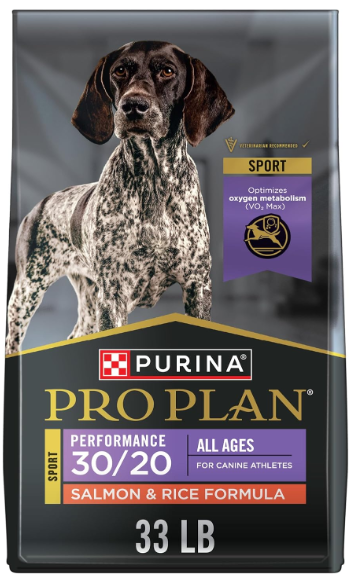
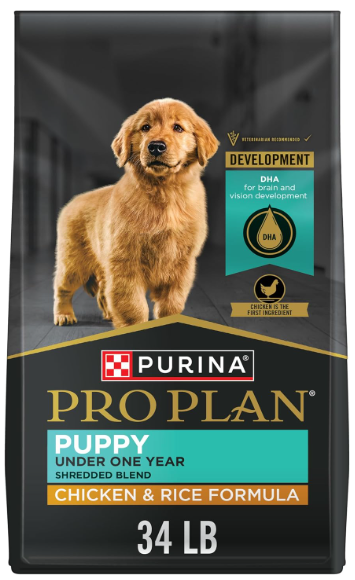
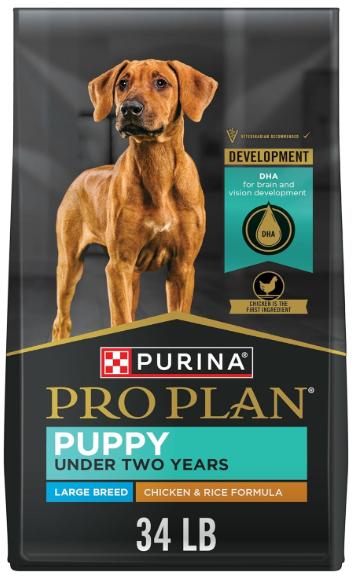
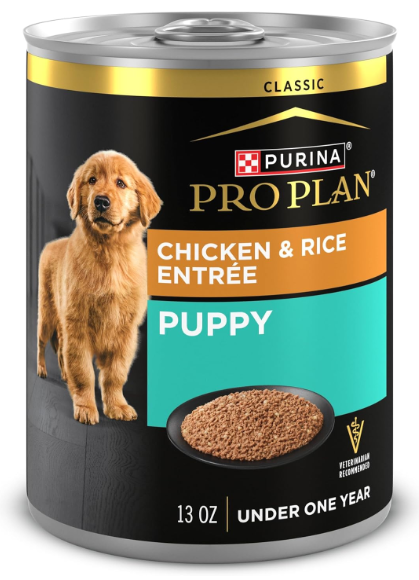
Plan ahead and reorder your dog’s food before you run low to allow for shipping time. Always double‑check that you’re selecting the correct formula and size.
📦 Order your dog’s food here:
Reorder Food
Lifetime Support
Watch your dog’s weight, energy level, teary eyes, yeasty ears, and stool quality—they’re great indicators of how well a feeding plan is working. If you ever notice changes or have questions, reach out.
Feeding well is one of the simplest ways to support your dog’s long‑term health, and you’re already doing the hard part by learning and staying consistent. We’re here to support you every step of the way.