
Potty Training Your New Labrador
A quick guide to how your Labrador has been potty trained and how to transition this to your new home.
Your puppy is coming home with an important head start: they have already been introduced to potty habits using pine pellet litter. This gives us a familiar scent, texture, and routine to help ease the transition into your home and yard.
This guide explains how the pellets work, why we use them, and how you can use them strategically to set your puppy up for potty-training success.
Understanding Pine Pellet Litter
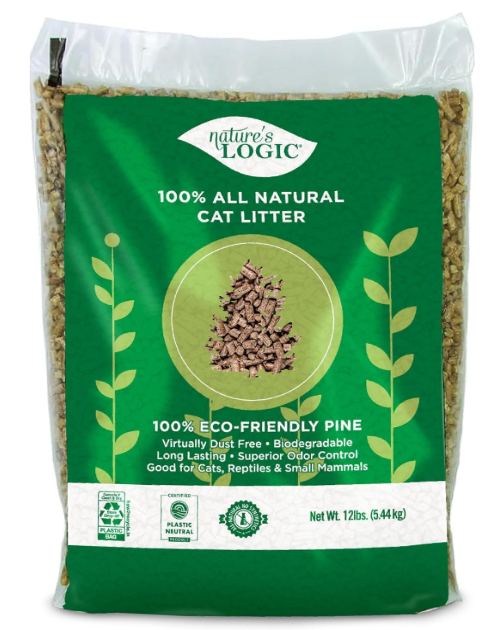
Pine pellets are highly absorbent and expand when they come into contact with liquid. This makes them effective at absorbing moisture and controlling odor, while also providing a distinct surface that puppies learn to associate with going potty.
Because the pellets change texture when they absorb liquid, puppies quickly learn to recognize that this is an appropriate place to eliminate. That early association is what we’ll use to help them understand where to go once they’re in a new environment.
Transitioning to Your Home
Moving to a new home is a big adjustment for a puppy. New smells, new surfaces, and new routines can temporarily cause confusion—even for puppies who have already started potty training.
Consistency is key. In the early days, your job is not to expect perfection, but to clearly show your puppy where success happens. Follow up each trip with a reward outside where the potty happens. Avoid rewarding the puppy for potty when they return inside the home. This can cause confusion when enough time and space has passed between the potty event and returning to the house.
Creating a Designated Potty Area
To help your puppy transition smoothly, we recommend creating a designated potty area in your yard.
Choose a quiet, easily accessible spot and spread a small amount of pine pellets on the ground. This area becomes your puppy’s clear bathroom location. The familiar smell and texture help bridge the gap between what your puppy already knows and this new outdoor environment.
Take your puppy to this same spot every time—especially:
First thing in the morning
After naps
After meals
After play sessions
Before bedtime
Repetition builds understanding. Over time, your puppy will begin to seek out this area on their own.
PRO TIP: If you do not want your puppy to poop in front of your door - set up their potty spot where you would like them to go. Dogs love consistency and will usually return to the same potty spot (good or bad) even when they are older and sometimes for the rest of their life. Take this into consideration as sometimes high volumes of urine will kill grass or plants.
Timing & Supervision
Young puppies need frequent potty breaks. When indoors, close supervision is essential. If you can’t actively watch your puppy, they should be safely confined to prevent accidents. Utilize a crate, play pen, baby gates, closed door, and/or leash to keep your puppy within sight.
Puppies will need to also potty overnight - set up a routine and possible trade off with others in the home.
When accidents happen—and they will—clean the area thoroughly and calmly redirect your puppy to the designated potty spot next time. Punishment does not help potty training and often creates confusion or fear.
If your puppy is getting distracted while outside—add a fenced play yard in area to keep them focused.
Weather, Surfaces, and Patience
Some puppies are sensitive to weather or unfamiliar ground textures. The pellet area can be especially helpful during rain, snow, or cold conditions by giving your puppy a consistent and recognizable potty surface.
Having a backup location with a tray for the pellets is a great idea if you know major weather is coming your way.
As your puppy matures and gains confidence, you can gradually reduce the number of pellets used. Many puppies naturally transition to eliminating on grass alone once the habit is well established.
If accidents start back up - this is always a great tool to return to.
Potty training is a learning process. Accidents don’t mean your puppy is failing—they simply mean they’re still learning.
Celebrate successful trips outside, stay consistent with your routine, and remember that your puppy is doing their best in a brand-new world.
📦 Reorder pine pellets here:
Progress, Not Perfection
Lifetime Support
Using pine pellets as a transition tool gives your puppy familiarity, clarity, and confidence during one of the biggest changes of their life.
If you have questions or feel stuck at any point, reach out. We’re here to help you and your puppy succeed—one potty break at a time